
ECONOMICS
Why the Company Card Made a Risky Decision Feel Free
When people are protected from the downside, their choices can quietly change.
5 min read
01The Story
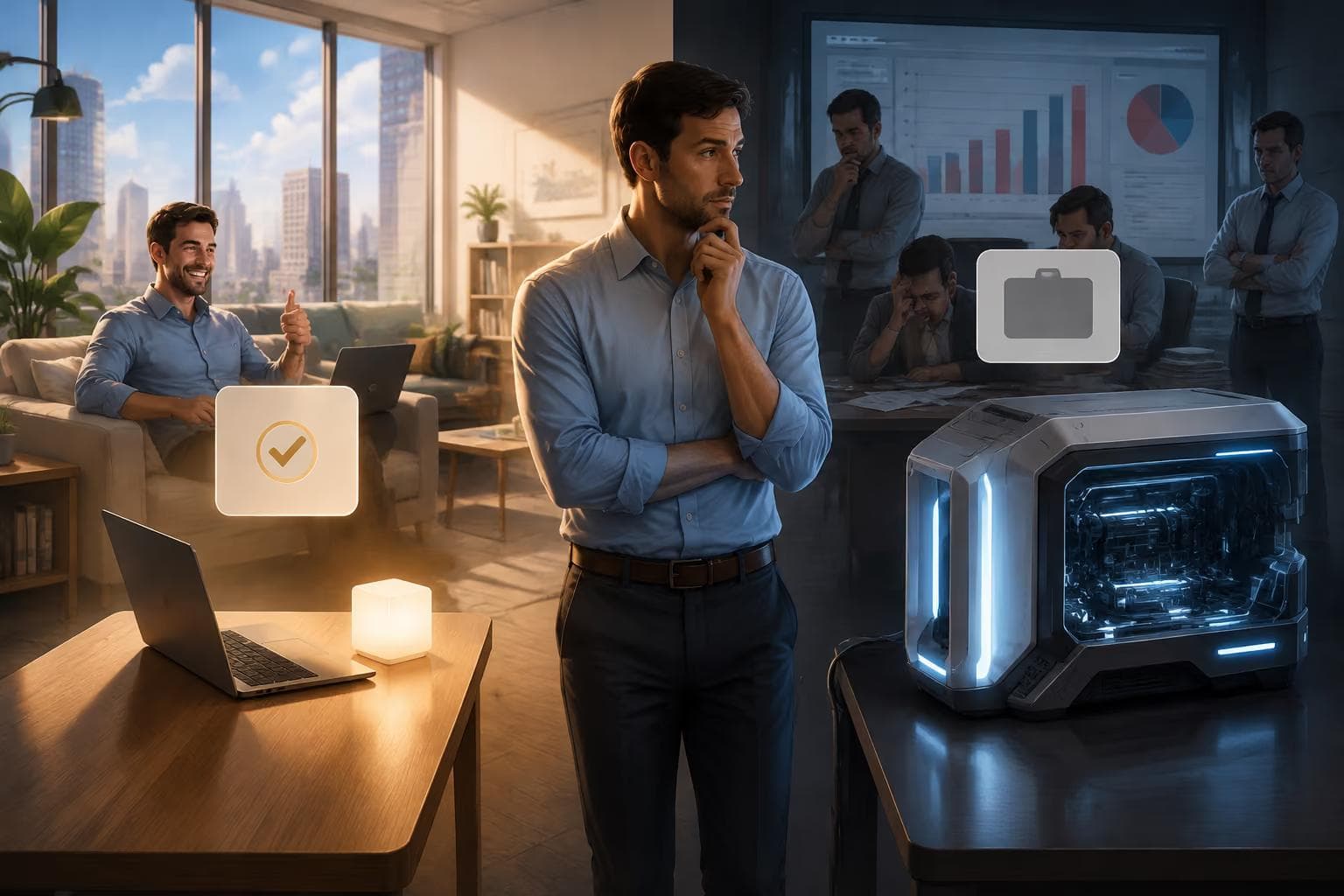
Jordan was the operations manager at a growing software company in Austin. After months of delays, his team finally got approval to upgrade their outdated customer support system. The old system frustrated employees, slowed response times, and created complaints from customers.
Jordan had a budget, a deadline, and pressure from executives to fix the problem quickly. He compared several options and chose the most advanced platform available. It had more features, more customization, and a much higher price tag than the simpler alternatives.
When his coworker asked why he picked the expensive option, Jordan shrugged. "The company is paying for it," he said. "If it works, everyone wins."
At first, the decision looked smart. The new system launched with impressive features. The team celebrated the upgrade. But months later, many tools were barely used, employees needed extra training, and the company was paying for capabilities nobody needed.
Jordan was not careless. He wanted to solve a real problem. The hidden change was that the cost of being wrong did not land directly on him. That small shift changed the way the decision felt.
02What Happened?
Jordan's choice is a common pattern in business, finance, and everyday life. When someone makes a decision while another person carries most of the downside, the decision-maker may behave differently.
The expensive software was not automatically a bad choice. Sometimes premium options create real value. The interesting part was the incentive structure around the choice. Jordan experienced the benefits of solving the problem quickly, but the company absorbed most of the financial risk if the decision failed.
This is called moral hazard. It does not mean someone is dishonest or intentionally irresponsible. It describes how protection from consequences can change behavior.
Insurance provides a familiar example. When drivers know a repair bill is covered, they may be less careful than they would be if they paid every cost themselves. A safety net can be valuable, but it can also influence choices.
The hidden question is not just "Who makes the decision?" It is "Who feels the consequences afterward?"
03The Hidden Logic
People respond to incentives, even when they do not notice it. Our brains naturally weigh rewards, risks, and effort. If the reward is immediate but the cost is distant or belongs to someone else, a choice can feel safer than it really is.
Moral hazard appears because responsibility and consequences become separated. The person holding the steering wheel is not always the person paying for the crash.
Think about a company leader approving a project that uses someone else's budget. Think about a manager promising unrealistic deadlines because another team must handle the pressure. Think about a customer signing up for a subscription because canceling later feels like someone else's problem.
The pattern is the same: when downside becomes invisible, risk can become attractive.
This does not mean removing all protection. Insurance, corporate budgets, and financial support exist because they help people take useful risks. Entrepreneurs would take fewer chances without investors. Employees would avoid innovation if every mistake destroyed their careers.
The challenge is designing systems where people have enough protection to act boldly but enough responsibility to think carefully.
04Where You See It
Moral hazard shows up in workplaces when teams spend budgets without feeling ownership of the outcome. A department may request expensive tools because the immediate benefit is visible while the long-term cost disappears into a larger company budget.
It appears in personal finance when someone increases spending after getting a raise or access to easy credit. The extra purchasing power can make future obligations feel less serious.
It appears in business partnerships when one side takes actions that create risk because another side carries the consequences. Contracts, rules, and incentives exist partly to prevent this imbalance.
It also appears in everyday decisions. Someone may take a bigger risk when they believe a friend, employer, parent, or institution will handle the fallout.
The important insight is that behavior is often shaped less by what people say they value and more by the consequences they actually experience.
05What You Can Do
Before making a decision, ask one simple question: "Would I choose this if I personally paid the full cost?"
That question does not mean every choice should be cheap or cautious. It helps reveal whether the decision is based on real value or on hidden protection from risk.
If you manage people, create ownership. Let teams understand the trade-offs behind budgets, deadlines, and priorities. People make stronger decisions when they can see the full picture.
If you are making personal choices, make future consequences more visible. Calculate the long-term cost of a purchase, a commitment, or a shortcut before the immediate reward takes over.
Good systems do not eliminate risk. They connect decisions with responsibility so people can learn, improve, and make smarter choices.
06The Takeaway
The biggest risks are often not created by reckless people. They are created when the person making the choice is separated from the cost of being wrong.
The Takeaway
When responsibility moves away from a decision, behavior usually moves with it.