

OTHER
Why Maya Bought the Same Index Fund Every Friday After Her Paycheck
A simple investing routine helped Maya stop guessing the perfect moment and focus on building a habit that lasted.
ReadForty per page — filter by the eight categories, or browse everything.
OTHER
A simple investing routine helped Maya stop guessing the perfect moment and focus on building a habit that lasted.
Read
OTHER
A small financial decision reveals why spreading risk can protect the plans that matter most.
Read
OTHER
The first number you see can quietly decide what feels expensive, cheap, or worth buying.
Read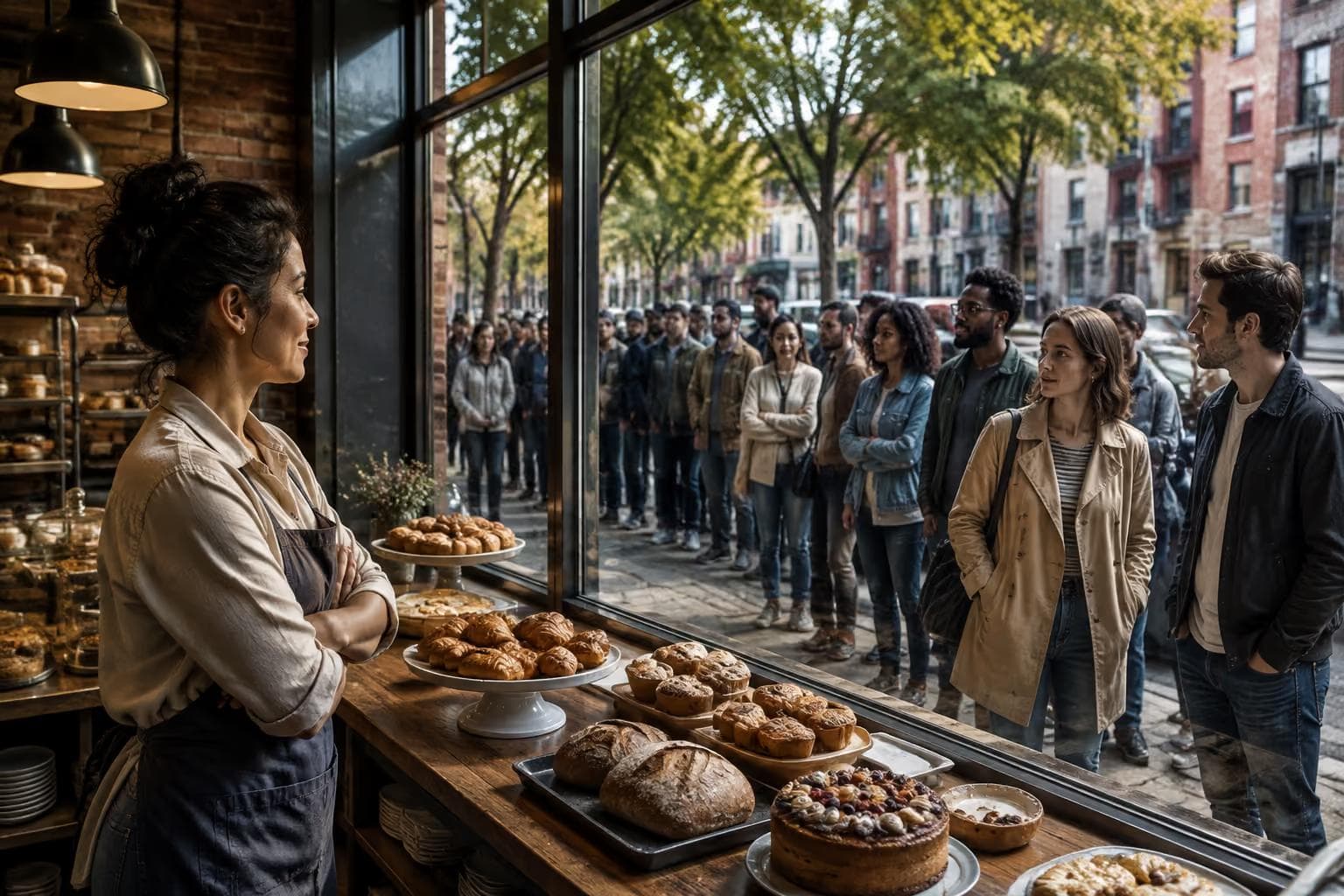
OTHER
A crowded room can quietly turn other people's choices into the evidence we use to make our own.
Read
OTHER
When people are protected from the downside, their choices can quietly change.
Read
OTHER
A borrowed dollar can help you move faster, but it can also make every mistake more expensive.
Read
OTHER
A number that appears first can quietly become the measuring stick for every choice that comes after.
Read
OTHER
A small purchase can create a surprisingly large feeling of value when what you receive feels worth far more than what you paid.
Read
OTHER
The first number you see can quietly change what feels expensive, reasonable, or like a smart deal.
Read
OTHER
A half-empty building can still feel scarce when everyone is chasing the same unit at the same price.
Read
OTHER
When someone else absorbs the downside, the next decision quietly gets riskier.
Read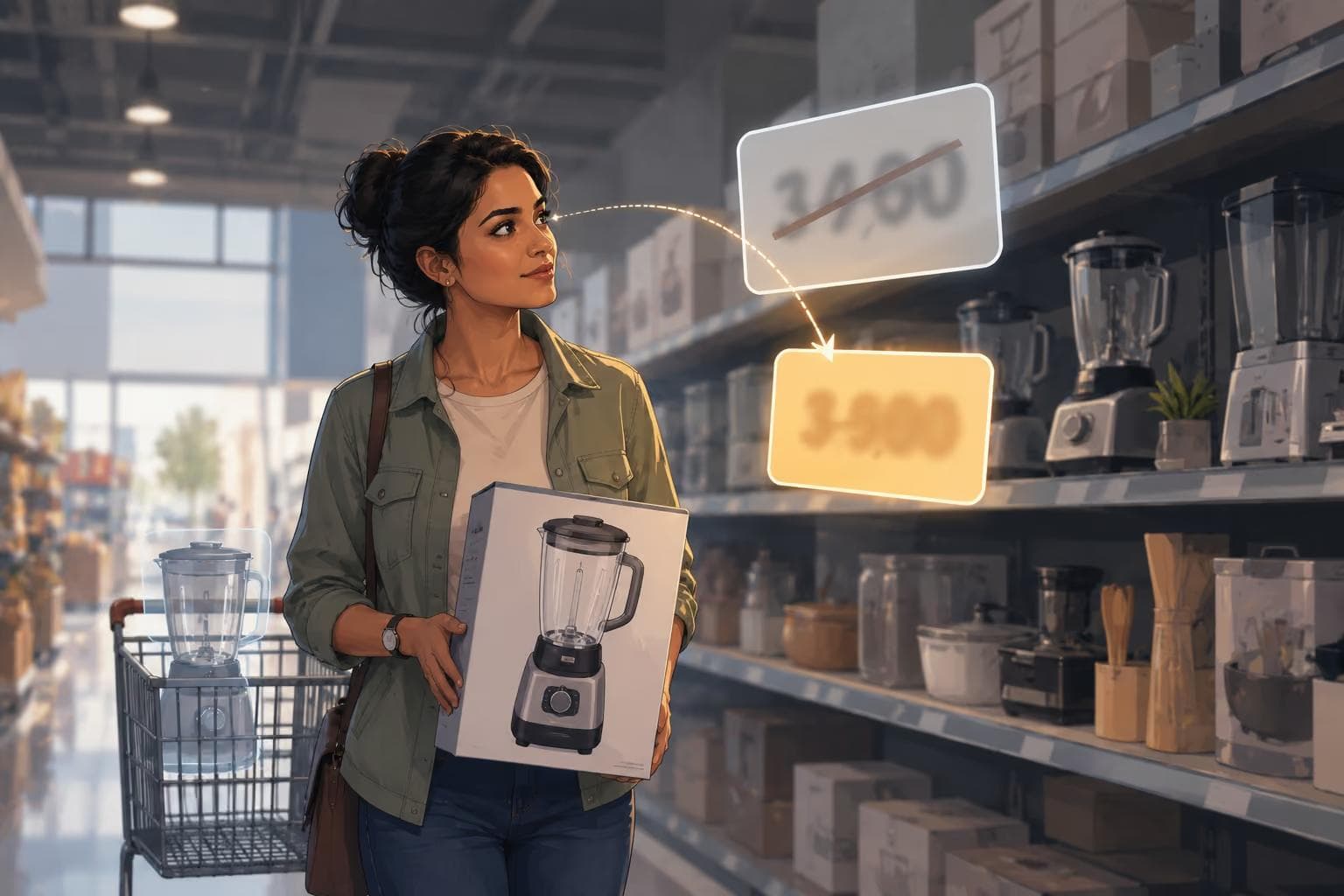
OTHER
The first number you see doesn’t just inform you—it quietly rewrites what “a good deal” feels like.
Read
OTHER
The early years look too small to matter—until you learn time was the real contribution.
Read
OTHER
Borrowing a winner's playbook can quietly train you to notice only the evidence that flatters your choice.
Read
OTHER
When you borrow a success story, your brain starts hunting for proof you chose wisely—and editing out everything that doesn't fit.
Read
OTHER
Once money or time is already spent, walking away can feel like failure — even when staying costs more.
Read
OTHER
The hours aren't evidence. They're just hours.
Read
OTHER
The short scroll was supposed to kill time. It quietly reset what your brain expects from the next minute.
Read
OTHER
Open time looks like freedom. Your nervous system often treats it like unfinished work.
Read
OTHER
The empty office feels like progress — even when the work could have waited until morning.
Read
OTHER
Feeling needed at work can quietly shrink the skills that would let you leave.
Read
OTHER
Speed can dress up as certainty — and your brain rarely checks the costume.
Read
OTHER
When the bill is far away, the purchase feels lighter — even when the dollars are the same.
Read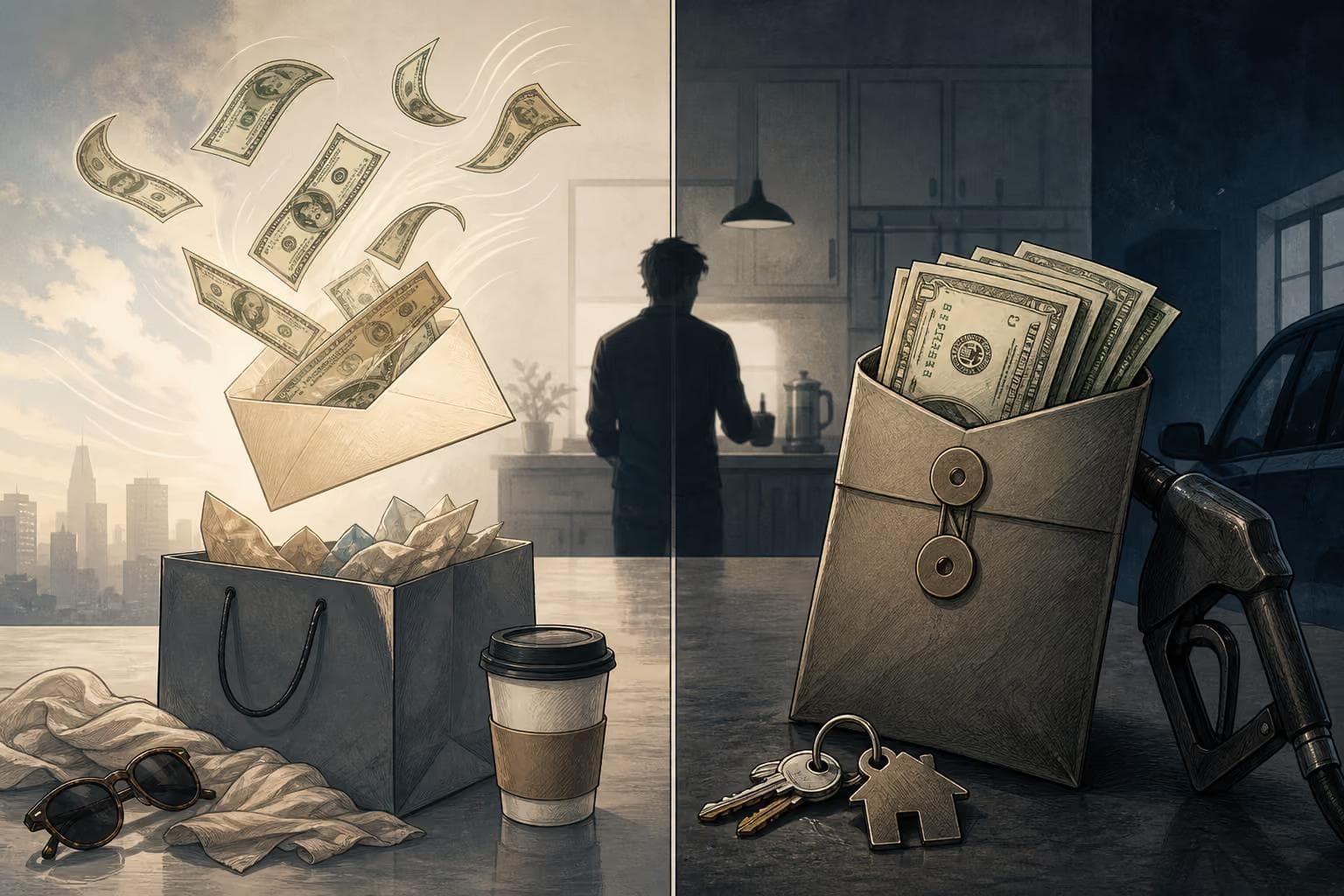
OTHER
A surprise twenty can vanish overnight — while the same twenty from your paycheck feels untouchable.
Read
OTHER
At the office, looking occupied can feel like armor—even when it quietly stalls the work that matters.
Read
OTHER
The first number on the tag isn’t the price. It’s the story your brain uses to invent a win.
Read
OTHER
Same dollars. Different mental bucket. That is why the refund disappears first.
Read