
OTHER
Why the Best Sellers Were Missing From Maya's Marketplace
A hidden information gap can quietly change who enters a market — and why the wrong choices become the easiest ones to find.
4 min read
01The Story
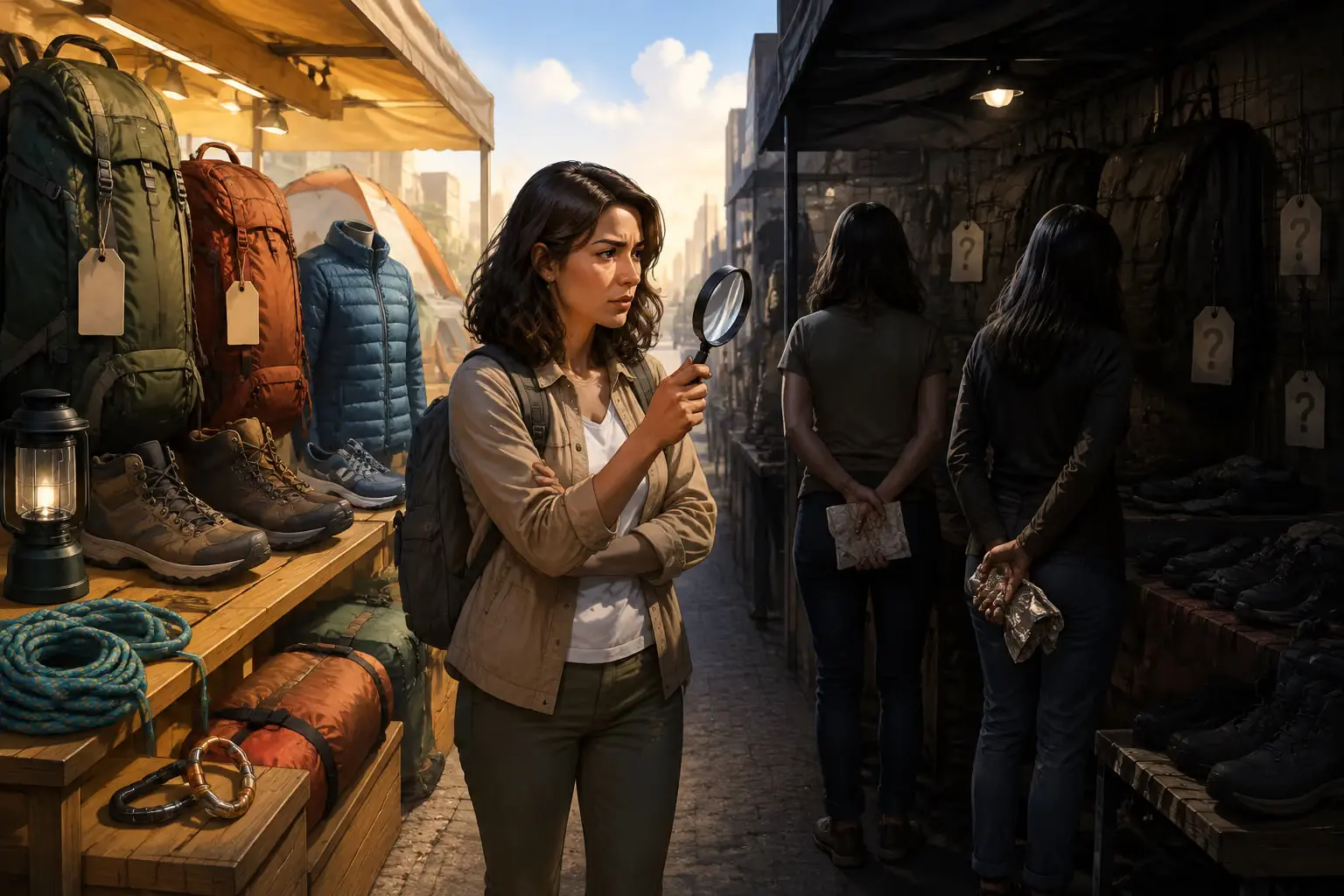
Maya launched a neighborhood marketplace for used outdoor gear. The idea was simple: people had camping equipment sitting in garages, and other people wanted affordable gear for weekend adventures.
At first, the listings looked promising. There were dozens of backpacks, tents, bikes, and hiking tools. But after a few months, something strange happened. The best sellers disappeared while the questionable ones stayed.
Buyers became cautious. A backpack listed for $40 might look like a bargain, but they wondered why someone was selling it so cheaply. Was it barely used, or was there a hidden problem? A tent that looked perfect in photos could have a broken zipper nobody mentioned.
The honest sellers started getting frustrated. They knew their equipment was high quality, but buyers could not easily tell the difference between a great deal and a risky purchase.
Maya initially thought she needed better advertising. More visitors. More promotions. More attention. But the problem was deeper than traffic. The market itself was changing because buyers and sellers did not have the same information.
02What Happened?
The marketplace was experiencing a problem economists call adverse selection. It happens when one side of a transaction knows more about the quality of what is being sold than the other side.
In Maya's case, sellers knew the real condition of their gear. Buyers only saw descriptions, photos, and prices. That information gap made every item feel uncertain.
When buyers cannot identify quality, they often protect themselves by offering lower prices. They assume some products will be great and others will be disappointing. Sellers with excellent products may decide the lower offers are not worth accepting and leave the market.
That creates an unexpected result: the market can gradually attract more low-quality options because the people with the best products no longer feel rewarded for participating.
Maya noticed that the issue was not that people were dishonest. The system created incentives where good sellers struggled to prove they were good.
03The Hidden Logic
Markets work best when buyers can judge what they are getting. Prices, reviews, warranties, and reputation systems all exist because information is valuable.
Without reliable signals, buyers make decisions based on guesses. A low price may mean a smart bargain, or it may mean a hidden defect. A confident seller may be trustworthy, or they may simply be better at marketing.
The hidden logic of adverse selection is that uncertainty does not affect everyone equally. High-quality participants often have more to lose because they know their true value but cannot easily communicate it.
This is why many markets create ways for quality to become visible. A mechanic offers guarantees. A freelancer collects verified reviews. A company builds a reputation over years. These signals reduce uncertainty.
The important idea is that information is not just a detail in a transaction. Information shapes who participates, what prices appear fair, and whether good options survive.
Maya eventually changed her marketplace. Sellers could add repair records, detailed condition checks, and return options. The goal was not simply to sell more items. It was to make quality easier to recognize.
04Where You See It
Used car markets are a classic example. A buyer usually knows less about a vehicle's history than the seller. That uncertainty can make buyers cautious and can make honest sellers work harder to prove their cars are reliable.
Hiring can also involve information gaps. Employers cannot instantly see someone's true skills, while applicants know their own abilities. Resumes, interviews, portfolios, and references act as signals that help close the gap.
Online marketplaces face the same challenge. Ratings and verification badges are not just convenient features. They are attempts to help strangers trust each other when they cannot see the full picture.
Even everyday choices can be affected. When a restaurant has hundreds of detailed reviews, customers feel safer trying it. When a product has vague descriptions and suspicious feedback, uncertainty grows.
05What You Can Do
When buying, ask what information is missing. The cheapest option is not always the best option if uncertainty is hiding a future cost.
When selling, make quality visible. Proof, transparency, guarantees, and reputation often matter more than simply claiming something is valuable.
When building a business, remember that customers are not only buying the product. They are also buying confidence that the product will match their expectations.
Strong markets are not created only by more choices. They are created by better signals that help people separate quality from uncertainty.
06The Takeaway
When people cannot see the difference between good and bad options, the market may slowly lose the very people who create the most value.
The Takeaway
When quality is invisible, uncertainty becomes the price everyone pays.