
OTHER
Why Maya's Bigger Paycheck Still Felt Smaller at the Grocery Store
A salary increase can feel like progress until everyday prices quietly rewrite what your money can do.
5 min read
01The Story
Maya had been waiting for the moment when her hard work finally showed up in her bank account. After two years of taking on extra projects, she received a promotion and a pay increase. It was not life-changing money, but it felt like proof that she was moving forward.
The first Friday after the raise appeared, Maya celebrated the way many people do. She stopped by her favorite grocery store, added a few extra items to her cart, and told herself she could finally relax a little. She picked up the coffee brand she liked, a nicer cut of chicken for dinner, and a few snacks for the weekend.
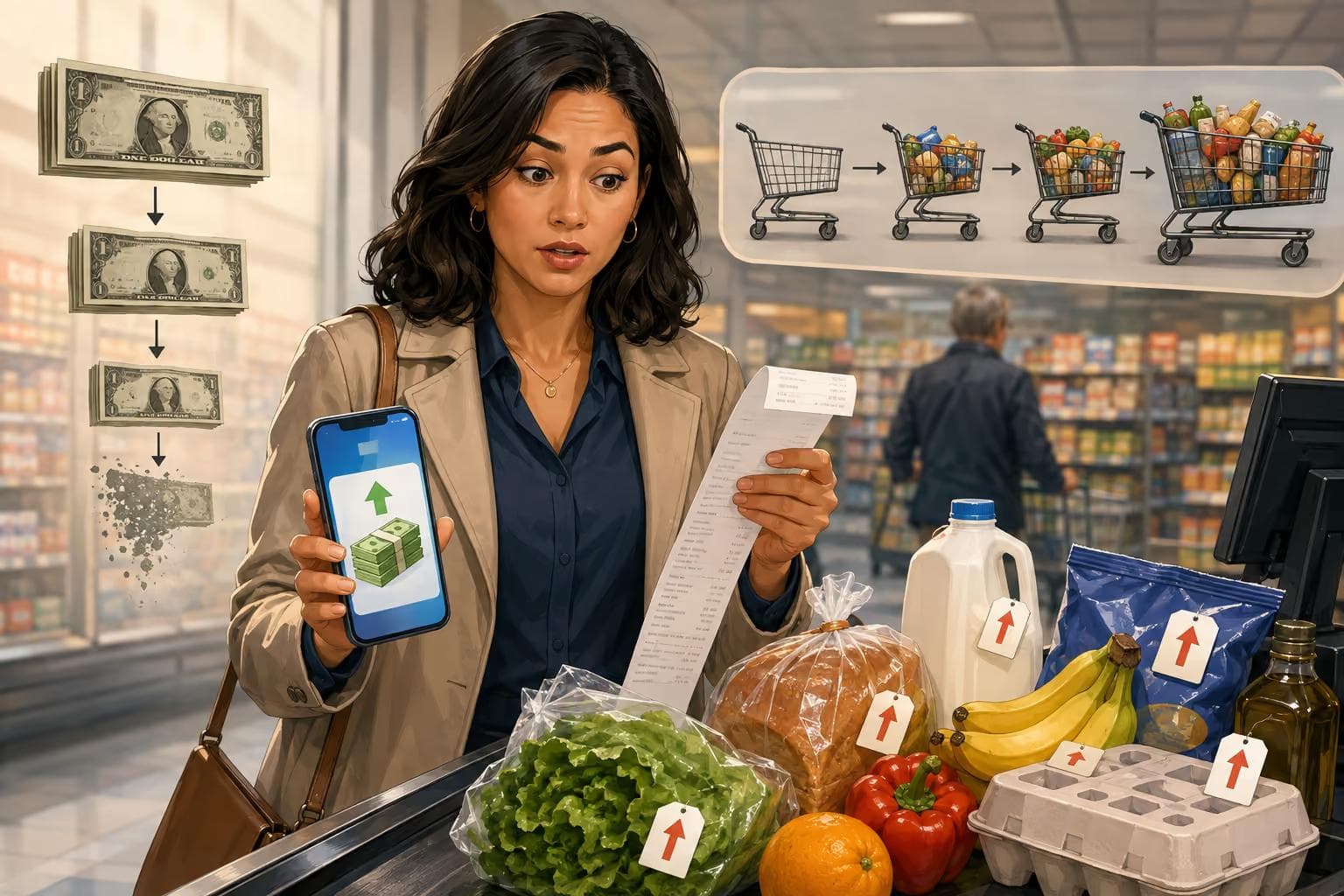
At checkout, the total surprised her. The number was higher than she expected. Maya looked at the receipt and realized something strange: she was earning more, but the same basket of things seemed harder to afford.
She was not imagining it. Her paycheck had grown, but the prices around her had changed too. The invisible force affecting her choices was not a single expensive item. It was a slow shift happening across hundreds of everyday purchases.
02What Happened?
The simple version is that Maya experienced inflation. Inflation happens when the same amount of money buys fewer goods and services over time. The dollars in her account looked the same, but their purchasing power had changed.
This is why a raise does not always create the feeling of getting ahead. If income rises by 5 percent while many everyday costs rise by a similar amount, the improvement people expect may feel much smaller.
Inflation does not arrive as one dramatic event. It often appears through small moments: a grocery bill that climbs higher, a restaurant menu that changes, a rent renewal that feels uncomfortable, or a subscription price that quietly increases.
Because these changes happen gradually, people often notice the result before they understand the cause. They do not think, 'My purchasing power changed.' They think, 'Why does everything feel more expensive now?'
03The Hidden Logic
The hidden logic of inflation is that money is not only a number. Money is also a measurement of what that number can accomplish.
Many people naturally focus on income because income is visible. A paycheck has a clear amount. A promotion has a clear percentage. A bonus has a clear dollar value. But the value of money depends on the prices surrounding it.
Imagine two versions of Maya's life. In the first, she earns $60,000 a year and a typical grocery trip costs $100. In the second, she earns $66,000 a year but the same trip costs $115. Her income went up, but her everyday buying power did not rise by the same amount.
This is why inflation can create a confusing emotional experience. Someone can achieve a goal and still feel behind. They can make more money and still delay purchases. They can receive good news and wonder why life does not feel easier.
The brain compares today's reality with yesterday's expectations. When prices move faster than those expectations, people feel a gap between what they thought their money would provide and what it actually provides.
04Where You See It
You see inflation most clearly in repeated purchases. A one-time purchase may stand out, but everyday expenses reveal the pattern.
Housing is one of the biggest examples. When rent or mortgage costs rise, people often have to change other decisions. They may eat out less, postpone travel, or search for additional income.
Food shows another side of inflation because grocery shopping happens so often. A small price increase on many items can change a monthly budget without any single item feeling shocking.
Wages create another interesting layer. During periods when employers raise pay, workers may feel relief. But if prices are also rising, the question becomes not only 'How much do I earn?' but 'What can my earnings actually buy?'
Inflation also affects how people think. Some consumers rush to buy things before prices rise further. Others become more cautious and delay spending. The same economic force can create very different behaviors depending on people's situations.
05What You Can Do
The first step is recognizing that a dollar amount alone does not tell the full story. Pay attention to your purchasing power, not just your income number.
Track the categories that matter most in your life. You do not need to monitor every price, but understanding your biggest expenses can reveal where inflation is changing your decisions.
When negotiating pay, changing jobs, or planning long-term goals, think beyond the headline number. A larger salary matters, but so does whether it keeps pace with the cost of living and your personal priorities.
Build flexibility into your finances. Savings, skills, and the ability to adjust spending give you more choices when prices move unexpectedly.
Most importantly, avoid judging your financial progress only by comparison with the past. The economy around you changes. Good decisions come from understanding the environment, not pretending it stays still.
06The Takeaway
Money is not just about how much you have. It is about how much that money can still do.
The Takeaway
The number in your bank account tells you what you have. Prices tell you what it is worth.