
OTHER
Why Alex Took Bigger Risks When Someone Else Was Paying
When people feel protected from the consequences of a choice, their behavior can quietly change.
5 min read
01The Story
Alex was known as the person who always found a way to fix a problem. At work, he volunteered for difficult projects, made quick decisions, and rarely hesitated. His confidence was one reason his team trusted him.
Then his company introduced a new policy. For certain client projects, mistakes would no longer directly affect individual team members. The company would absorb most of the financial damage if something went wrong.
At first, Alex saw it as a relief. He could finally experiment without worrying that one mistake would hurt his reputation or his career. The pressure disappeared almost overnight.
A few weeks later, Alex noticed something strange. He was making decisions faster, but he was also checking details less carefully. He approved ideas that needed more testing. He chose speed over caution because the downside no longer felt as personal.
When one project failed and cost the company a significant amount of money, Alex was surprised by his own reaction. Before the new policy, he would have spent nights trying to prevent that outcome. Now, part of him had assumed the damage would be manageable.
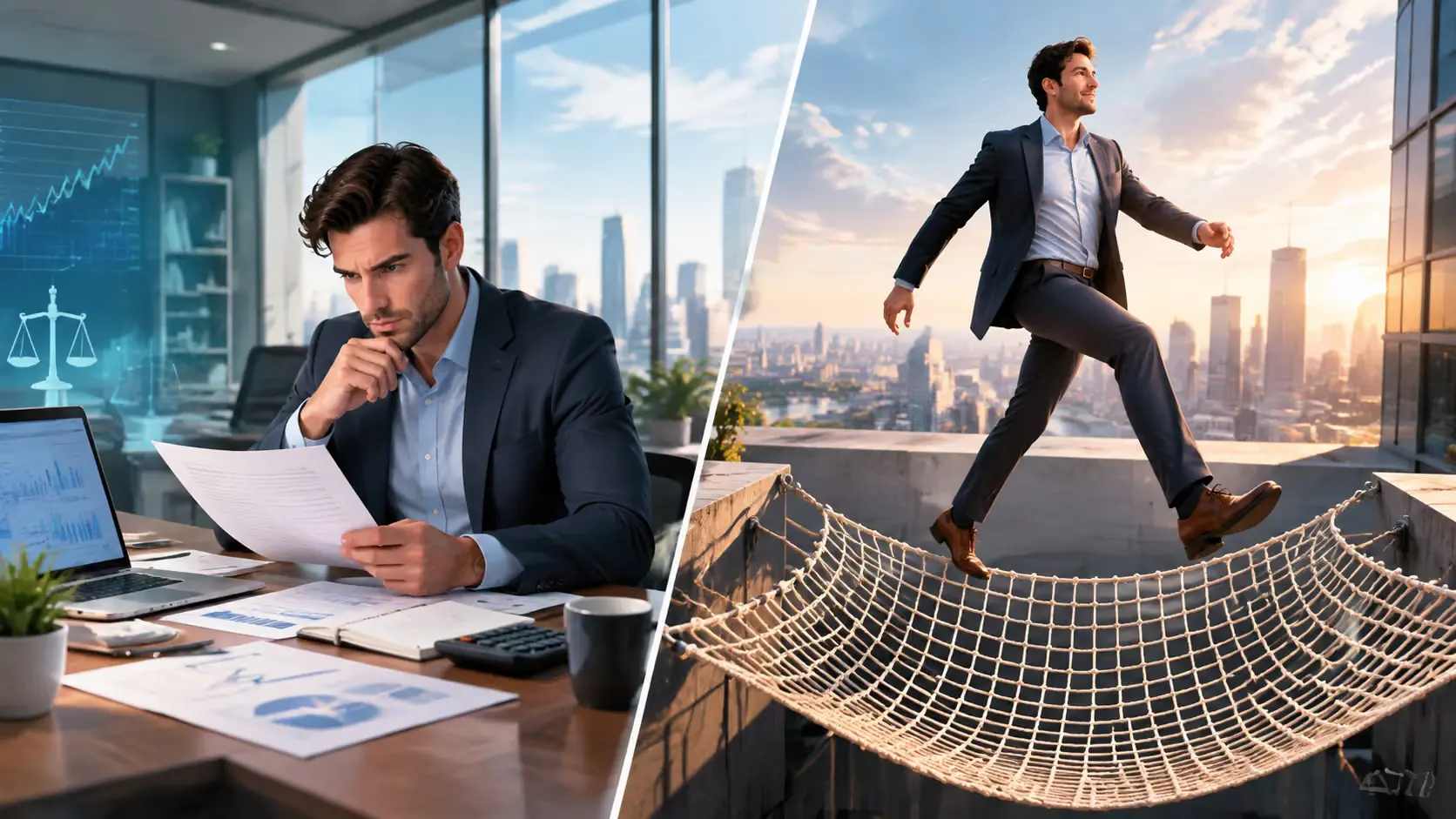
The company had created a safety net. But that safety net had also changed the way people behaved.
02What Happened?
Alex's situation was not about someone becoming careless overnight. The environment around him changed the incentives. When people believe they will experience the full consequences of a decision, they usually think harder about the risks involved.
But when another person, organization, or system absorbs most of the downside, the calculation changes. A risky choice can start to feel cheaper than it really is.
This pattern is called moral hazard. It describes a situation where protection from negative consequences can encourage people to take greater risks.
The idea appears in many parts of life. A driver with expensive insurance may treat a car less carefully than someone who must pay every repair bill themselves. A company leader protected from failure may approve aggressive plans without feeling the same pressure as an owner using their own money.
The important detail is that moral hazard is usually not about bad intentions. People are responding to the incentives around them. The rules of the situation quietly influence the choices people make.
In Alex's case, the company wanted employees to innovate. The protection was designed to encourage creativity. But without the right balance, the same protection reduced caution.
03The Hidden Logic
The hidden logic behind moral hazard is simple: people pay attention to the costs they expect to feel.
Imagine two people deciding whether to take a risky action. One person knows they will personally carry the loss if things go wrong. The other knows someone else will cover most of the damage. Even if both people are equally responsible, their decisions may look very different.
This is why incentives matter more than intentions. A person can be hardworking, honest, and responsible while still changing behavior when the rules change.
Businesses study this carefully because incentives shape entire organizations. If employees are rewarded only for speed, they may move faster while overlooking quality. If managers are rewarded only for short-term results, they may ignore problems that appear later.
The same logic appears in financial systems. When someone believes losses will be limited, they may accept risks they would normally avoid. The protection removes part of the fear that normally keeps behavior balanced.
But protection itself is not the enemy. Insurance, safety programs, and support systems exist because people need room to act. The challenge is designing systems where people can recover from mistakes without becoming disconnected from consequences.
The strongest systems create a balance: enough protection to encourage action, but enough responsibility to encourage thoughtful decisions.
04Where You See It
Moral hazard appears in everyday decisions more often than people realize.
At work, a manager may approve unnecessary spending because the company budget feels distant from their personal finances. A team may schedule too many meetings because the cost of wasted time is spread across everyone instead of felt by one person.
In personal finance, someone with easy access to credit may spend more aggressively because the immediate consequences are delayed. The future bill feels less real than the purchase happening today.
In business, executives sometimes make decisions with different levels of caution depending on whether they personally share the downside. Owners, employees, investors, and customers can all experience different incentives from the same choice.
Technology can create similar situations. When platforms remove friction from actions, people may behave differently because the consequences feel less visible. A quick click, automatic subscription, or instant purchase can separate the action from the cost.
Even in relationships and teams, the pattern exists. If one person always fixes every mistake, others may unconsciously become less careful because they know someone will step in.
The question is not whether people are good or bad. The question is: who carries the consequences when something goes wrong?
05What You Can Do
The first step is noticing where your incentives have changed. Ask yourself whether you would make the same decision if you had to personally absorb more of the downside.
Before making a major choice, separate confidence from protection. Feeling safe can be helpful, but it can also make risks look smaller than they are.
If you manage people, design incentives carefully. Rewarding results matters, but so does rewarding good judgment, preparation, and responsible decision-making.
Create small consequences before large failures happen. A little accountability early can prevent expensive mistakes later.
When building systems, do not remove every obstacle. Some friction exists for a reason. A pause, review, or second opinion can protect against decisions made too quickly.
The goal is not to eliminate risk. Progress requires people willing to try new things. The goal is to make sure the person making the decision still understands the real cost of the choice.
06The Takeaway
When people are protected from the downside, their choices can change. Good systems do not remove consequences completely — they make sure responsibility stays connected to decisions.
The Takeaway
The consequences we avoid can shape the choices we make.